Why endurance sports make better leaders
The skills you build at kilometre 38 of a marathon are the ones that define you in the boardroom.
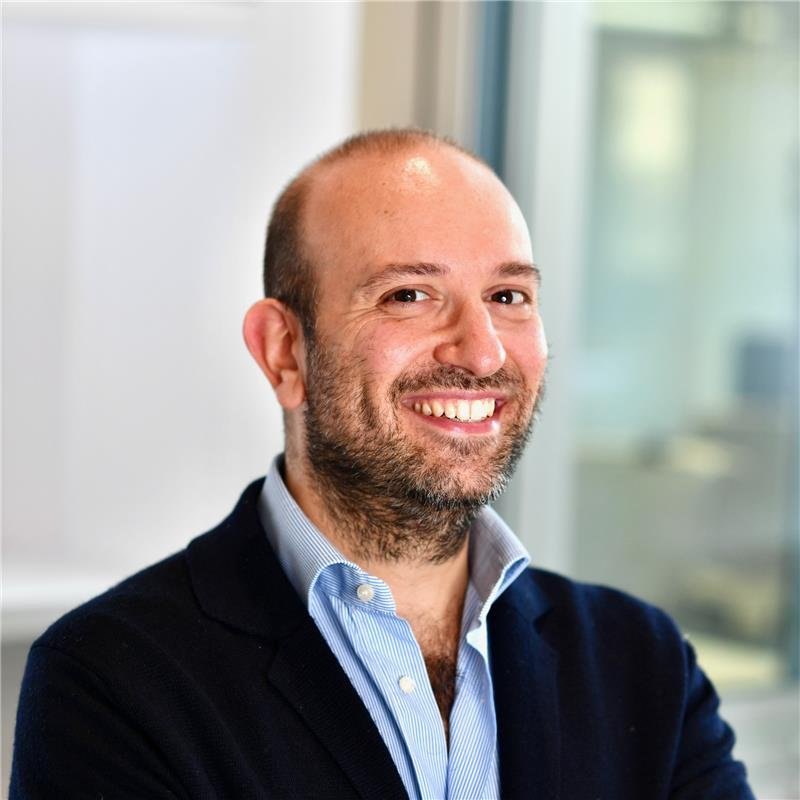 Marco Larocca Conoscente8 April 20264 min read
I have been running since before I had a title. Long before I understood strategy decks or quarterly reviews, I understood what it felt like to push through the wall at kilometre 35 — that specific moment when your body files for bankruptcy and only your mind can keep you moving.
What I did not expect was how much that feeling would prepare me for business. For the markets that shift overnight. For the moments when the only honest answer is: we keep going.
I believe endurance sports — marathon running, triathlon, ultra-cycling — are among the most powerful leadership development programmes that exist. They are just not on any MBA curriculum.
Only the disciplined ones in life are free. If you are undisciplined, you are a slave to your moods and your passions.— Eliud Kipchoge, marathon world record holder
Business is an endurance sport. We just refuse to admit it.
We worship the sprint in business culture — the pitch, the launch, the quarter. But every leader who has survived a real downturn or a market collapse knows the truth: business is not a 100-metre race. It is an Ironman. And most people train for the wrong event.
1. Resilience is a training outcome, not a personality trait
Resilience cannot be lectured into you. It can only be built through accumulated difficulty. You do not become resilient because you read about it. You become resilient because you have, more than once, wanted to quit and chose not to.
The real separation between leaders happens in the difficult moments — after a restructuring, after a strategy fails in market. That is kilometre 38. And your response in that moment is the direct result of how many times you have been there before.
2. Pacing is strategy
Elite athletes like Eliud Kipchoge deliberately reduce intensity in the final days before a major race to maximise output on race day. Not training to the last minute is itself a competitive advantage.
Leaders who sprint all the time burn out. The real skill — in sport and in business — is managing effort strategically across a long time horizon. Always-on is not a superpower. It is a slow puncture.
3. Long-term thinking is the rarest leadership skill
Kipchoge's philosophy is radical in its simplicity: winning is not the goal. Planning and preparation are. You cannot fake a marathon. You cannot improvise an Ironman. You build toward it, systematically, or you do not finish. The best leaders apply exactly that architecture to their organisations.
4. Self-discipline is freedom
When your habits are locked in — your training, your recovery, your routines — your mind is freed from constant negotiation with itself. You simply execute. The leader with no consistent habits is perpetually reactive. The leader with disciplined rituals operates from a clarity that others around them can feel and follow.
That is what makes people want to run with you. In every sense.
To run a big marathon and win takes five months. When I'm on the starting line, my mind reviews what I have been doing for the last five months. I believe in my training.— Eliud Kipchoge
Walk into any Ironman transition zone on a Sunday morning, and you will find a disproportionate number of people who spend their weekdays running companies. This is not a coincidence. The people who reach the top instinctively recognise that what it takes to finish that race is exactly what it takes to lead well.
You do not need to sign up for an Ironman this weekend. But the next time you face a decision that requires patience over urgency, or long-term thinking over short-term comfort — ask yourself whether your current training prepares you for that moment.
That is not a management skill. That is an endurance skill. And it is trainable.